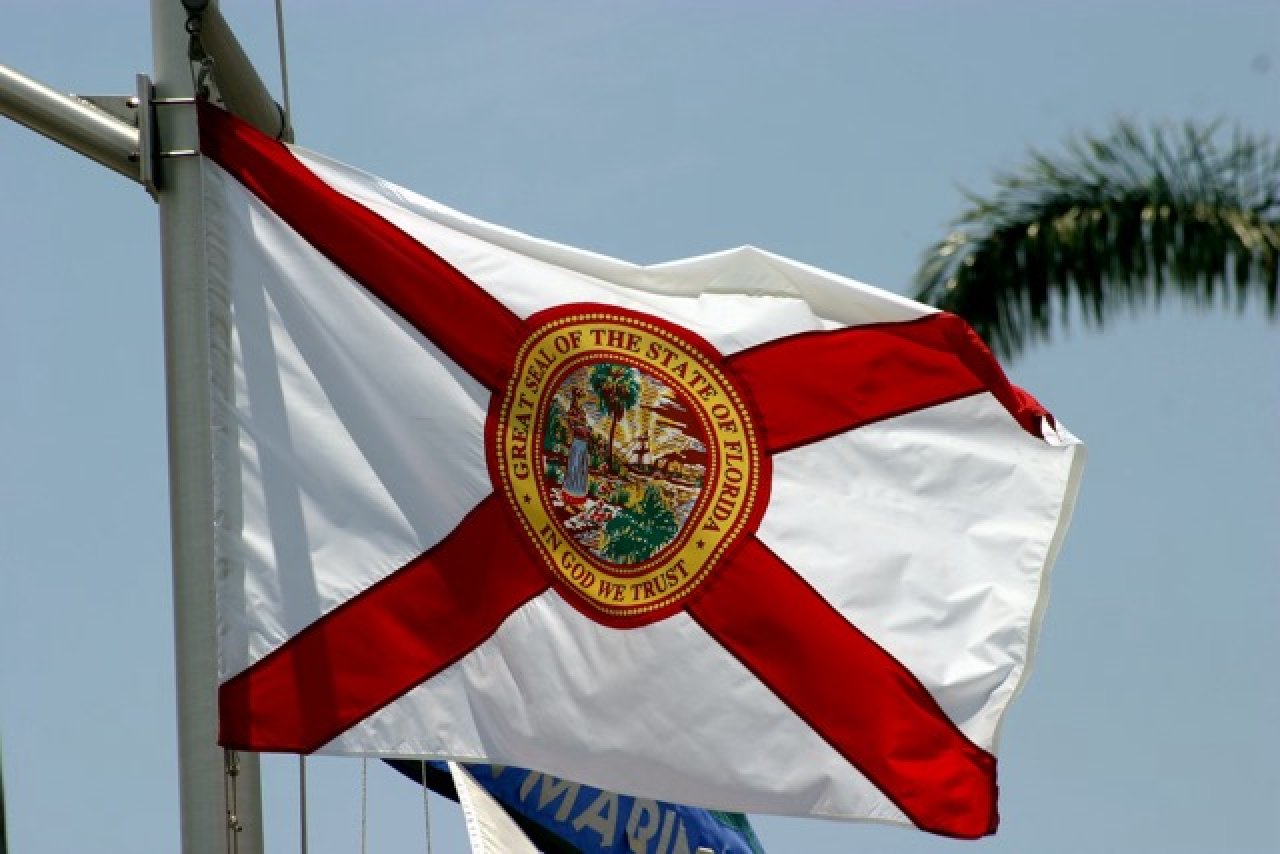
Florida Background Checks
Complexity Level
At-a-Glance Compliance Overview
Category | Rule |
|---|---|
Mini-FCRA | No |
Ban-the-Box | No statewide restriction for private employers |
Criminal Inquiry Timing | No statewide restriction |
Conviction Reporting | No state reporting limit |
Non-Conviction Reporting | 7-year limit under Federal FCRA |
Credit Checks | Allowed |
Cannabis Protections | Limited (medical marijuana only) |
Individualized Assessment | Not required by state statute |
Major Local Ordinances | Gainesville Fair Chance Hiring Ordinance |
State Mini-FCRA Laws
Florida does not maintain a comprehensive consumer reporting statute comparable to the “mini-FCRA” laws adopted in states such as California, Colorado, or Massachusetts.
Employment background checks obtained from consumer reporting agencies are therefore governed primarily by the federal Fair Credit Reporting Act (15 U.S.C. §1681 et seq.).
Employers using third-party background screening providers must comply with federal requirements, including:
• providing a clear written disclosure before obtaining a consumer report
• obtaining written authorization from the applicant or employee
• providing pre-adverse action and adverse action notices when information in a consumer report influences an employment decision.
Criminal Record Reporting Rules
Florida does not impose state-specific reporting limits on criminal convictions in employment background checks.
Convictions
Criminal convictions may generally be reported without time limitation under FCRA §605(a)(5).
Non-Convictions
Under the Fair Credit Reporting Act, consumer reporting agencies generally may not report arrests, indictments, or other adverse non-conviction information that is more than seven years old, subject to federal salary-threshold exceptions.
Sealed or Expunged Records
Florida allows individuals to seek criminal record sealing or expungement under:
• Fla. Stat. §943.0585 – Expungement
• Fla. Stat. §943.059 – Record Sealing
Expungement generally applies to cases where charges were dismissed or not filed. Record sealing may apply when adjudication was withheld.
Once sealed or expunged, the record becomes confidential and generally may not appear in routine employment background checks.
Fair Chance / Ban-the-Box Law
Florida has not adopted a statewide ban-the-box law affecting private employers.
Private employers may inquire about criminal history during the hiring process, including on initial job applications.
Some Florida state and municipal employers have adopted internal policies delaying criminal history inquiries for public employment, but these policies do not regulate private employers.
Employers should ensure that criminal history screening practices comply with federal anti-discrimination laws when evaluating criminal records.
Credit Check Restrictions
Florida does not impose statutory restrictions on employer use of consumer credit reports for employment purposes.
Employers may obtain credit reports if they comply with the Fair Credit Reporting Act, including disclosure, authorization, and adverse action requirements.
Employers should ensure that credit checks are relevant to the duties of the position when used in hiring decisions.
Cannabis Use and Drug Testing Rules
Florida permits medical marijuana under the Florida Medical Marijuana Legalization Initiative, codified primarily at:
Fla. Stat. §381.986
The statute allows qualified patients to obtain medical marijuana for approved medical conditions.
Florida law does not require employers to accommodate marijuana use in the workplace. Employers may:
• maintain drug-free workplace policies
• prohibit marijuana use during work hours
• discipline employees for workplace impairment
• prohibit possession or use of marijuana on company property.
Florida has not legalized recreational marijuana.
Pay Equity and Salary History Rules
Florida does not maintain a statewide salary history ban affecting private employers.
The state also does not impose pay transparency laws requiring employers to disclose compensation ranges in job postings.
Employers must still comply with federal and state anti-discrimination laws governing compensation practices.
Local Fair Chance or Screening Ordinances
Florida has limited municipal regulation of employment screening, but at least one jurisdiction has enacted a law affecting private employers.
Gainesville – Fair Chance Hiring Ordinance
Gainesville Ordinance No. 2022-617
This ordinance applies to employers with 15 or more employees operating within the City of Gainesville.
Key requirements include:
• Employers may not inquire about criminal history until after a conditional offer of employment.
• Employers must conduct an individualized assessment before taking adverse action based on criminal history.
• Employers must provide notice explaining a criminal-history-based adverse decision.
Employers operating within Gainesville must ensure their hiring procedures comply with this ordinance.
Other Florida cities have adopted ban-the-box policies for public employment, but those policies do not regulate private employers.
Record Sealing / Clean Slate Laws
Florida provides mechanisms for criminal record sealing and expungement under:
• Fla. Stat. §943.0585 – Expungement
• Fla. Stat. §943.059 – Record Sealing
Eligible individuals may petition the court to seal or expunge criminal records when charges were dismissed, dropped, or resulted in acquittal.
Once sealed or expunged, the record becomes confidential and generally cannot be disclosed in routine employment background checks.
Florida does not currently maintain a fully automatic clean slate record-sealing program.
Key Statutes
• Criminal Record Expungement – Fla. Stat. §943.0585
• Criminal Record Sealing – Fla. Stat. §943.059
• Florida Medical Marijuana Law – Fla. Stat. §381.986
• Gainesville Fair Chance Hiring Ordinance – Gainesville Ordinance No. 2022-617
Employer Compliance Checklist
Employers conducting background checks in Florida should implement several compliance practices.
Follow federal Fair Credit Reporting Act disclosure and authorization requirements when ordering background checks.
Provide pre-adverse action and adverse action notices when consumer reports influence hiring decisions.
Ensure background screening providers exclude sealed or expunged records from employment reports.
Review local hiring ordinances such as the Gainesville Fair Chance Hiring Ordinance when operating within those jurisdictions.
Apply criminal history screening policies consistently to reduce discrimination risks.
Maintain clear workplace drug testing policies addressing medical marijuana and workplace impairment.
Background Check Laws by State
State Compliance Directory
Need Background Checks?
Get Started & Create an Account now!
Setup only takes minutes